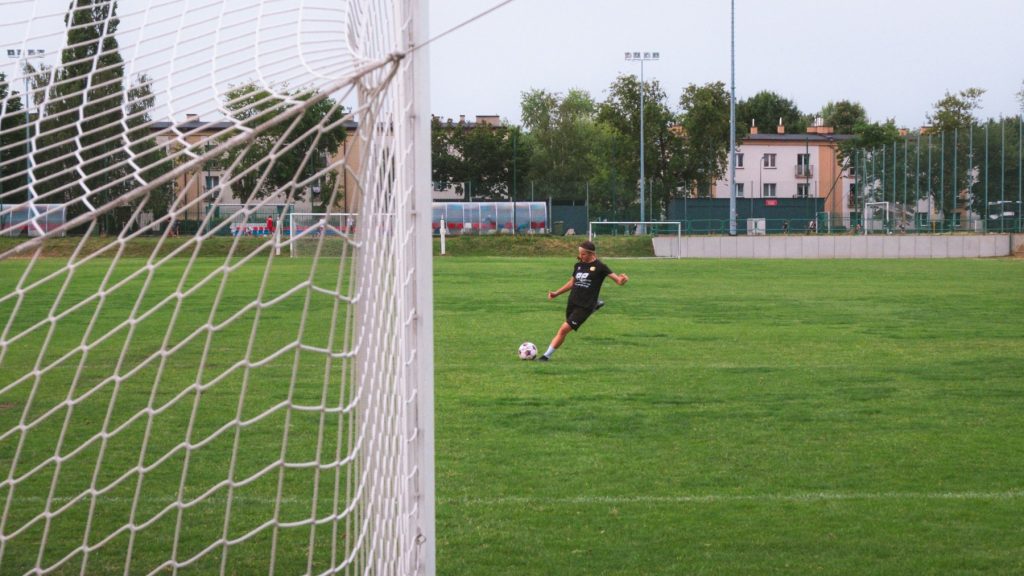
When an athlete’s sport ends through graduation, a cut, an injury or retirement, many feel a real sense of grief and lost identity. That reaction is normal. With time and support, former athletes can carry the discipline, teamwork and drive they built into a new chapter of life.
Why does leaving a sport feel like a loss?
Sports often provide structure, friendships, goals and a clear sense of who you are. When that ends, the days can feel empty, and it is common to wonder what comes next.
What helps athletes adjust after their sport ends?
- Name the loss. Grieving the end of a sport is valid, even if the choice was yours.
- Keep movement in your life. Exercise supports mood, even if it looks different now.
- Find new goals. The skills that made you a strong athlete carry into school, work and relationships.
- Stay connected. Coaching, mentoring or rec leagues can keep you close to the game.
How we approach this at GHCS
Our counselors help former athletes work through grief, anxiety and identity questions so they can move forward with confidence. Learn more about our grief counseling and individual therapy. Learn more about our Sports and Performance Counseling program.
Frequently asked questions
Is it normal to feel depressed after quitting a sport?
Many athletes feel sad or lost after their sport ends. If those feelings last or grow heavier, talking with a counselor can help.
About the author. Christina Runnels, MA, LPC-S, PMH-C, is the founder of Greater Houston Counseling Services, a group practice with five Houston-area offices and telehealth across Texas. She has more than 10 years of experience as a clinical supervisor.